Jigokudani vs Arashiyama Monkey Park — Which Is Better?
Japan's two famous monkey parks compared honestly: Jigokudani's hot-spring bathing vs Arashiyama Iwatayama's city views over Kyoto. Which fits your itinerary — the answer is mostly geography.
A real PAA question — which monkey park is better in Japan? — with an answer that is mostly geography, partly season, and only then preference.
What each actually is
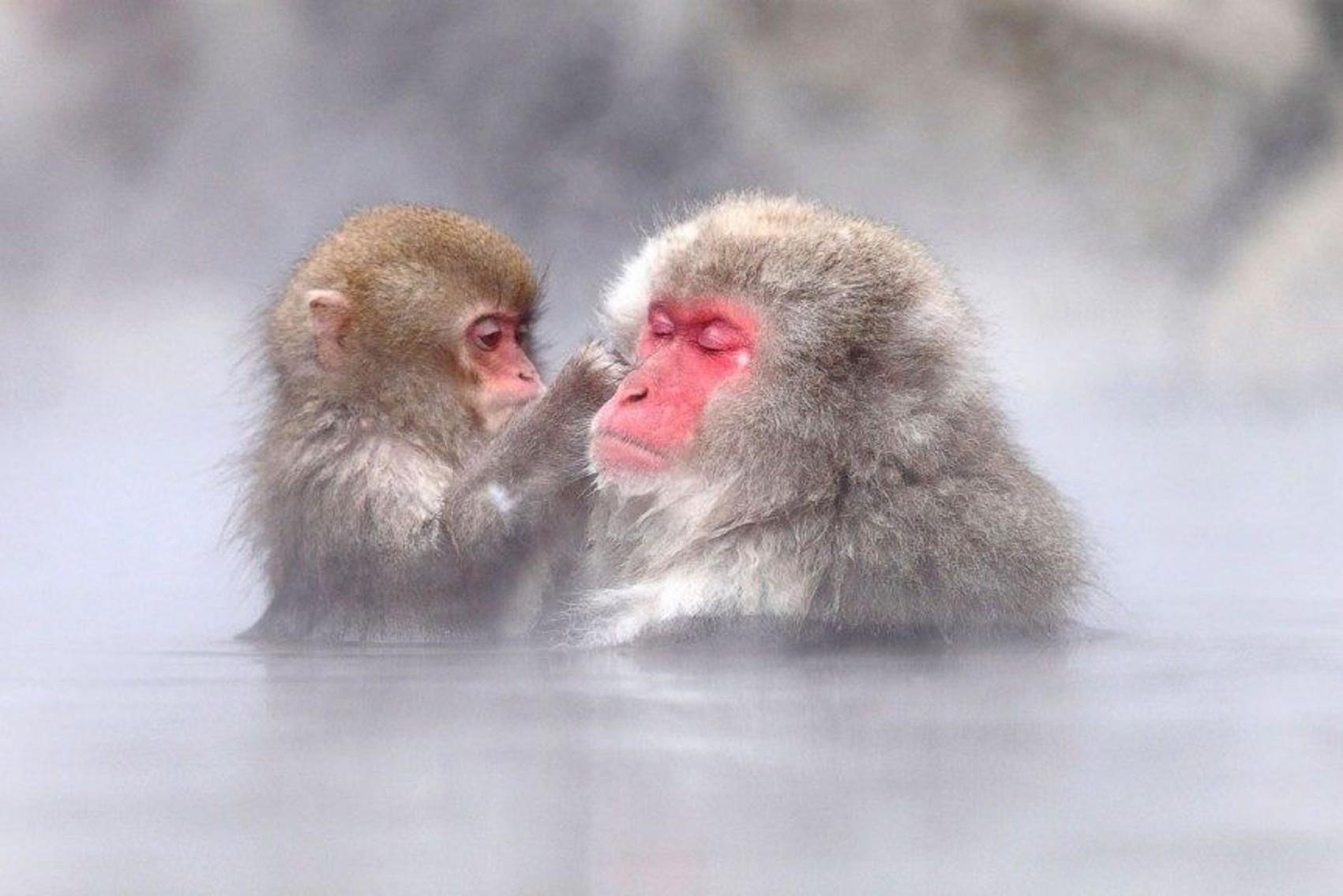
Jigokudani (this site’s subject): wild macaques at a mountain hot spring in Nagano; the bathing spectacle in winter; a bus-plus-forest-walk commitment to reach.
Arashiyama Iwatayama (Kyoto): a monkey-mountain overlook inside Kyoto’s most-visited district — a steep 20–30 minute uphill walk from the Togetsukyo Bridge area, wild macaques at the top, and a panorama over the city. Cheap, spontaneous, and already on most Kyoto itineraries.
The honest decision table
| Your situation | Go to |
|---|---|
| Winter trip, want the iconic bathing scene | Jigokudani — no contest |
| Kyoto-based, no Nagano plans | Arashiyama — the detour to Nagano is not casual |
| Summer trip, monkeys are a side interest | Arashiyama — neither will be bathing, and Kyoto’s is an hour of your day, not a day of your trip |
| Photographer chasing THE shot | Jigokudani, December–March, dated web ticket bought ahead |
| Travelling with monkey-mad kids, either city | Whichever park your itinerary already touches — both deliver wild monkeys at close range |
The both answer
Plenty of Japan itineraries touch both Kyoto and a Tokyo–Nagano leg — in which case do both and they will not feel redundant: one is a city viewpoint with monkeys, the other a valley pilgrimage to a unique behaviour. If Jigokudani makes your plan, the day trips (the top-rated one from $138 with admission included, Oct 2026) carry the logistics.
Book the Day Trip
The top-rated Snow Monkey day trip — 4.9/5 from 978 reviews, from $138 (Oct 2026) with park admission, transport and Zenko-ji included. Free cancellation to 24 hours; winter dates sell out first.
Check Availability